


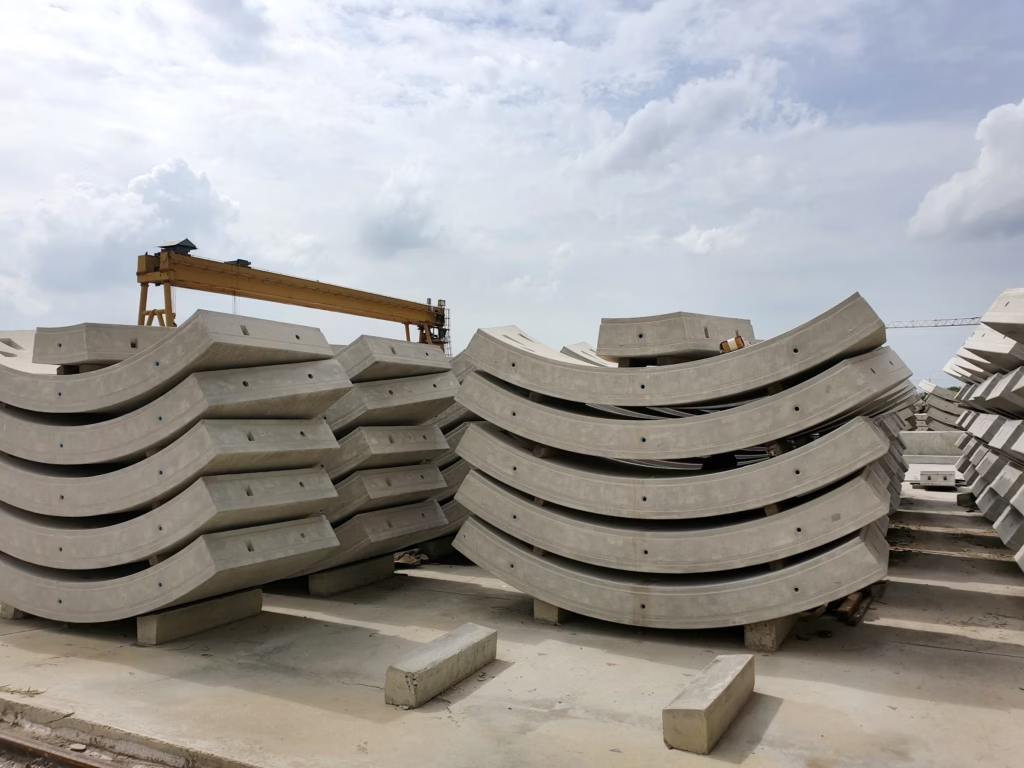
Precast manufacturing demands speed, consistency, surface finish, crack control, and dimensional accuracy. From panels and drainage units to tunnel segments and utility products, every precast element must perform from factory handling to final installation.
Glassman AR Glass Fibres by DD Solutions help improve precast concrete by reinforcing the matrix internally. The fibres help control shrinkage cracks, improve surface quality, reduce permeability, and support long-term durability without causing rust stains or visible fibre marks
Precast?
Precast products need both strength and consistency. Even small cracks can affect appearance, durability, handling, and customer confidence. Glassman AR Glass Fibres help control cracking at the micro level and improve reinforcement distribution throughout the section.
Because the fibres are non-corrosive and surface-friendly, they are especially useful in precast products where appearance, finish, and long-term durability matter.
For production teams, the advantage is simple: better crack control without complicating mould design or finishing.
Marine, Coastal & Infrastructure Applications
Glassman AR Glass Fibres are well suited for precast concrete elements used in marine, coastal, transportation, and exposed infrastructure environments where crack control, durability, surface integrity, and resistance to moisture-related deterioration are important performance considerations.
In these applications, precast elements may be exposed to salt-laden air, repeated wetting and drying, spray zones, temperature variation, abrasion, and continuous environmental exposure. By dispersing throughout the concrete matrix, Glassman AR Glass Fibres help control early-age shrinkage cracking and micro-crack formation, supporting a denser and more consistent concrete section.
Improved crack control can also help reduce the number and width of pathways through which water, chlorides, and other aggressive agents may penetrate the concrete. This can support improved serviceability and long-term durability when used as part of a properly designed concrete mix and protection system.
AR Glass Fibres are non-corrosive; they do not introduce rust staining or corrosion-related surface defects. This makes them particularly suitable for exposed precast elements where appearance, edge quality, surface finish, and long-term dimensional stability are important.
Key Benefits
Typical Applications
- Precast panels
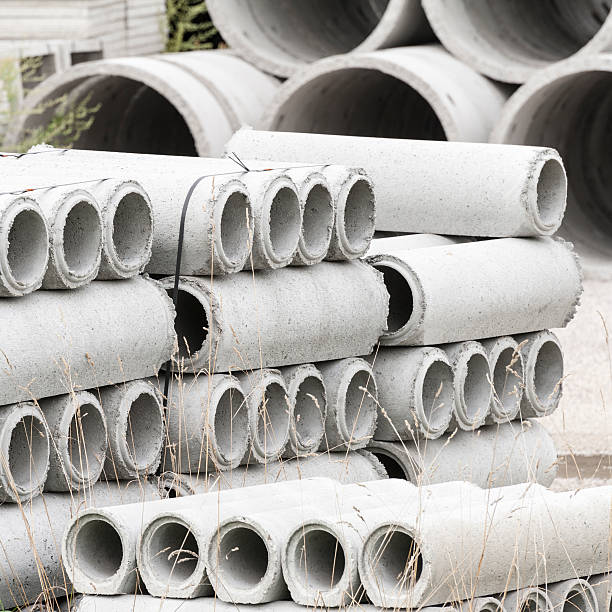
- Precast drainage channels
- Utility boxes
- Manhole-related precast products
- Tunnel lining segments
- Facade and architectural elements
- Road barriers
- Foundation blocks
- Light poles
- Deck slabs

Typical Marine applications include
- Marine concrete structures
- Coastal protection Structure
- Sea walls and precast coastal barriers
- Breakwater and shoreline protection elements
- Concrete decks and precast deck slabs
- Bridge deck components and parapets
- Precast jetties, piers, and waterfront elements
- Drainage and stormwater infrastructure
- Retaining and erosion-control structures
Usage & Mixing Guildlines
- Add at batching plant, mixer, or final mixing stage
- Ensure complete dispersion before casting
- Use trial mixes for thin-wall or architectural precast elements
- Avoid over-dosing without workability testing
- Confirm surface finish before full-scale production
Quality Standards
- Dispersion and balling check
- Dimensional stability review
- Water permeability evaluation
Recommended Fibre Types
Glassman AR Glass Fibre – 12mm
Suitable for general precast, panels, drainage units, and surface crack-control applications.
Glassman AR Glass Fibre – 16mm
Suitable for heavier precast elements and applications requiring enhanced crack-control support, subject to trial mix approval.
Suggested Dosage
0.5 kg to 1.0 kg per m³ of concrete
Final dosage should depend on product thickness, concrete grade, mould design, finish requirement, and performance expectations. Glassman’s brochure specifies 0.5 to 1 kg/m³ for concrete applications.
Technical Note
Recommended dosage and fibre length should always be finalized based on the application, mix design, site conditions, and trial results.
For structural replacement of steel reinforcement, project-specific validation by a qualified engineer is required.