











Glassman® MICRO FIBRES
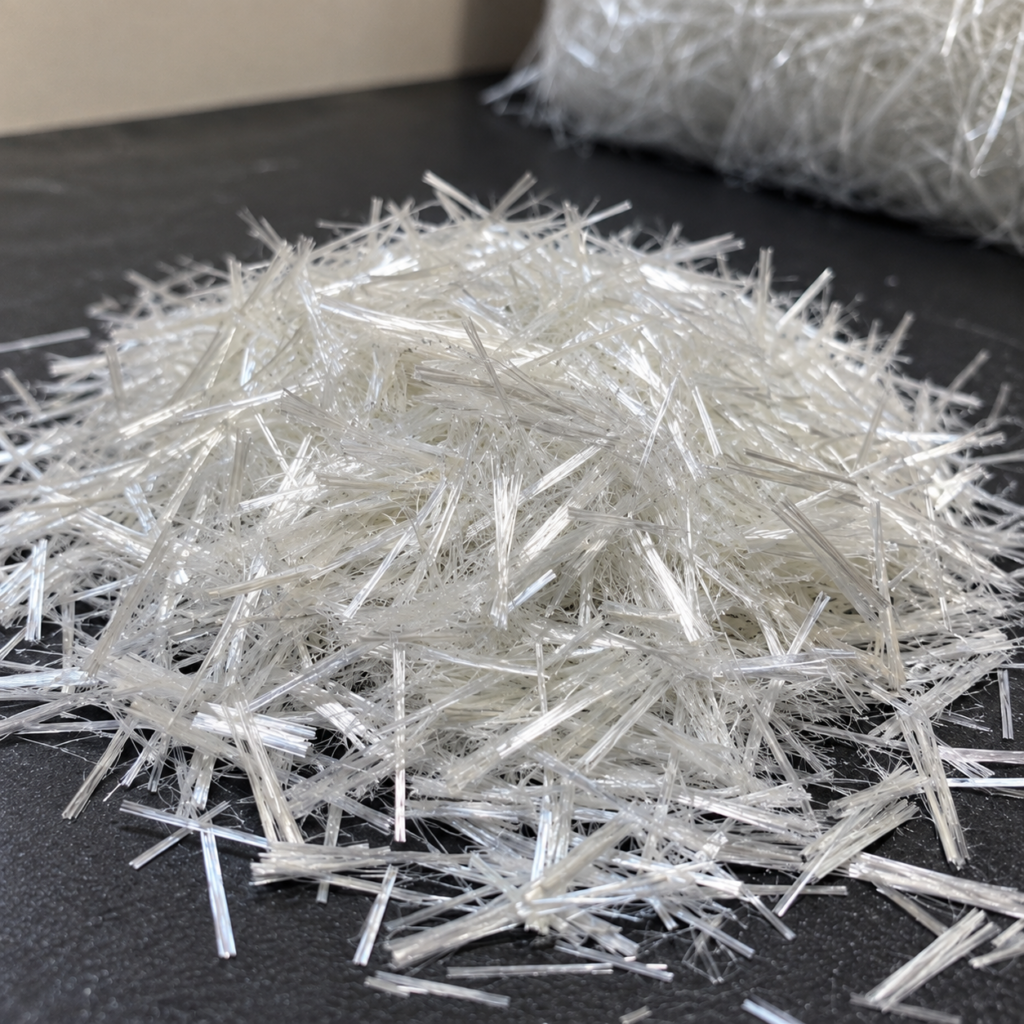
Advanced AR Glass Fiber Reinforcement for Concrete and Cement-Based Materials. Glassman Micro Fibres are alkali-resistant (AR) glass fibres engineered for reinforcement of concrete and cement-based materials. These micro fibres help control micro-cracking that naturally occurs in fresh concrete and improve the durability and performance of glass fiber reinforced concrete (GFRC) and other cementitious systems throughout their service life.
When incorporated into concrete or plaster mixes, Glassman® Micro Fibres reduce cracking caused by plastic shrinkage, thermal movement, drying shrinkage, and settlement. The fibres provide distributed micro-reinforcement within the concrete matrix, improving crack resistance and enhancing overall structural performance.
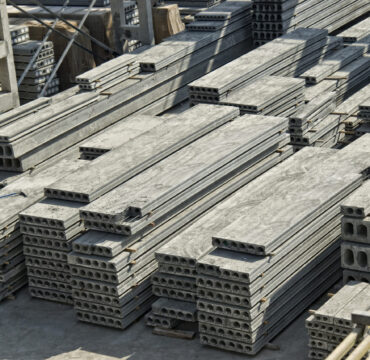
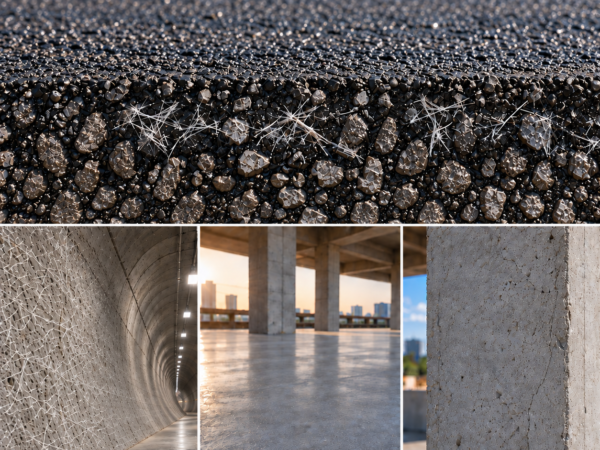
Glassman Micro Fibres are widely used in industrial flooring, plaster reinforcement, precast concrete products, roads, pavements, and infrastructure applications where improved crack control and durability are required.
Glassman® MICRO FIBRES
Advanced AR Glass Fiber Reinforcement for Concrete and Cement-Based Materials. Glassman Micro Fibres are alkali-resistant (AR) glass fibres engineered for reinforcement of concrete and cement-based materials. These micro fibres help control micro-cracking that naturally occurs in fresh concrete and improve the durability and performance of glass fiber reinforced concrete (GFRC) and other cementitious systems throughout their service life.
When incorporated into concrete or plaster mixes, Glassman® Micro Fibres reduce cracking caused by plastic shrinkage, thermal movement, drying shrinkage, and settlement. The fibres provide distributed micro-reinforcement within the concrete matrix, improving crack resistance and enhancing overall structural performance.
Glassman Micro Fibres are widely used in industrial flooring, plaster reinforcement, precast concrete products, roads, pavements, and infrastructure applications where improved crack control and durability are required.
Glassman® MICRO FIBRES
Advanced AR Glass Fiber Reinforcement for Concrete and Cement-Based Materials. Glassman Micro Fibres are alkali-resistant (AR) glass fibres engineered for reinforcement of concrete and cement-based materials. These micro fibres help control micro-cracking that naturally occurs in fresh concrete and improve the durability and performance of glass fiber reinforced concrete (GFRC) and other cementitious systems throughout their service life.
When incorporated into concrete or plaster mixes, Glassman® Micro Fibres reduce cracking caused by plastic shrinkage, thermal movement, drying shrinkage, and settlement. The fibres provide distributed micro-reinforcement within the concrete matrix, improving crack resistance and enhancing overall structural performance.
Glassman Micro Fibres are widely used in industrial flooring, plaster reinforcement, precast concrete products, roads, pavements, and infrastructure applications where improved crack control and durability are required.
Glassman® MICRO FIBRES
Advanced AR Glass Fiber Reinforcement for Concrete and Cement-Based Materials. Glassman Micro Fibres are alkali-resistant (AR) glass fibres engineered for reinforcement of concrete and cement-based materials. These micro fibres help control micro-cracking that naturally occurs in fresh concrete and improve the durability and performance of glass fiber reinforced concrete (GFRC) and other cementitious systems throughout their service life.
When incorporated into concrete or plaster mixes, Glassman® Micro Fibres reduce cracking caused by plastic shrinkage, thermal movement, drying shrinkage, and settlement. The fibres provide distributed micro-reinforcement within the concrete matrix, improving crack resistance and enhancing overall structural performance.
Glassman Micro Fibres are widely used in industrial flooring, plaster reinforcement, precast concrete products, roads, pavements, and infrastructure applications where improved crack control and durability are required.
Glassman® MICRO FIBRES?
Glassman® Micro Fibres provide uniform micro-reinforcement for concrete and cementitious materials, helping improve the performance of concrete structures during early curing and throughout their service life.
The alkali-resistant (AR) glass fibres disperse evenly within the mix and act as crack-bridging reinforcement, helping limit crack propagation and improve durability. With a density of approximately 2.68 g/cm³, similar to concrete, the fibres integrate effectively within the concrete matrix and distribute reinforcement consistently.
This improves crack control, durability, and long-term structural stability in concrete, GFRC systems, and cement-based construction applications.
Applications
Advantages & Benefits
Glassman® Micro Fibres provide several advantages when used in concrete and plaster mixes. They
improve concrete crack resistance, durability, and overall performance in reinforced concrete and
GFRC applications.
- Controls plastic and micro shrinkage cracking
- Improves durability and service life of concrete structures
- Provides uniform reinforcement throughout the concrete matrix
- Smooth surface finish with virtually invisible fibres
- No rusting or corrosion issues
- Reduces water permeability in concrete
- Enhances crack resistance and structural stability
- Eliminates the need for grinding or fiber burn-off after finishing
Material Comparison
This comparison demonstrates the high tensile strength and reinforcement performance of Glassman Micro Fibres compared to conventional fibre materials.
| Raw Material | Density (g/cm³) | Elastic Modulus (GPa) | Tensile Strength (MPa) |
|---|---|---|---|
| Concrete | 2.4 | 30 – 40 | 3 – 4 |
| Polypropylene Fibres | 0.9 | 1.5 – 9.5 | 100 – 500 |
| Glassman® Glass Fibres | 2.7 | 72 | 1700 |
Product Specifications
TYPE OF GLASS FIBRE
FILAMENT DIAMETER
FILAMENT LENGTH
FILAMENTS PER KG
ZIRCONIA CONTENT
MOISTURE CONTENT
DENSITY
TENSILE STRENGTH
MODULUS OF ELASTICITY
INCOMBUSTIBILITY
RESISTANCE TO ACID
SOFTENING POINT
ELECTRICAL CONDUCTIVITY
THERMAL EXPANSION
CHEMICAL RESISTANCE
STRAIN TO FAILURE
Dosage
Recommended dosage levels depend on the application and desired crack-control performance.
Typical dosage guidelines include:
• 600 g – 900 g per m³ of concrete
• 50 g – 100 g per bag of cement
Higher fibre dosage generally results in improved crack resistance and mechanical performance.
Directions to Use
Glassman® Micro Fibres can be added directly to ready-mix concrete plants or site mixers.
For optimal dispersion:
• Add the fibres at the final stage of mixing
• Allow sufficient mixing time for uniform distribution throughout the mix
Proper mixing ensures consistent reinforcement and effective crack control within the concrete
matrix.
Packaging
Glassman® Glass Micro Fibres are available in convenient packaging formats suitable for
different construction needs:
• 50 g pouches
• 80 g pouches
• 100 g pouches
• 20 kg HDPE heavy-duty water-resistant bags
FAQ
GFRC (Glass Fibres Reinforced Concrete) is a composite material where alkali-resistant glass fibres are uniformly dispersed within a cementitious matrix to improve tensile strength and control cracking. GFRC are commonly used in construction applications requiring durability and crack control, including industrial flooring, precast elements, pavements, plaster reinforcement, and thin panels.
Glassman® MICRO FIBRES improve concrete by acting as micro-reinforcement within the concrete matrix.
The fibres bridge microcracks and distribute stress throughout the material, helping reduce shrinkage cracking, improve abrasion resistance, and enhance the long-term durability of concrete structures.
Glass Fibre Reinforced Concrete improves durability, reduces shrinkage cracking, and enhances abrasion resistance compared to conventional concrete. It aids in reducing water permeability and provides uniform reinforcement throughout the concrete matrix, improving the overall service life of structures. They are also resistant to rust and fre.
Glass fibre dosage in concrete depends on the application, mix design, and crack-control requirements.
Typical dosage ranges from 0.9 kg per bag of cement to 1 kg per cubic meter of concrete, although final
dosage should be confirmed through mix design testing and engineering recommendations.
GFRC (Glass Fibres Reinforced Concrete) is a composite material where alkali-resistant glass fibres are
uniformly dispersed within a cementitious matrix to improve tensile strength and control cracking. GFRC are
commonly used in construction applications requiring durability and crack control, including industrial
flooring, precast elements, pavements, plaster reinforcement, and thin panels.
Quality Standards
Glassman® Micro Fibres are manufactured using Alkali Resistant (AR) glass fibres designed for reinforcement of cementitious materials and concrete systems. The fibres contain approximately 17% zirconia, providing excellent resistance to alkali attack within concrete.
Glassman® Micro Fibres are produced under controlled manufacturing and quality assurance processes to maintain consistent fibre performance. The fibres offer high tensile strength, excellent chemical resistance, and long-term durability in reinforced concrete applications.
Material properties align with international guidelines for AR glass fibre reinforcement used in cement-based composites, ensuring reliable crack control and improved durability in modern
construction systems


